2026 Trends of Japanese Auto Parts & Hardware Industry | Procurement Standards & Supply Chain Update
The Japanese automotive industry is undergoing profound transformation amid the shift to electrification and Software-Defined Vehicles (SDV). Fluctuating raw material prices and rising labor costs have driven a major restructuring of the traditional supply chain. Meanwhile, JAMA and JAPIA have jointly released unified defect judgment standards for auto parts, which will be fully implemented in phases throughout 2026, updating the operational rules for all manufacturers and procurement enterprises.
This article sorts out the hottest topics concerned by Japanese buyers of auto parts and precision hardware, and shares key points for stable procurement, cost optimization and quality control.
1. Unified Defect Standards Improve Production & Procurement Efficiency
In the past, Japanese automakers adopted extremely strict individual quality rules. Minor scratches, tiny black spots and harmless burrs that do not affect performance were all classified as defective parts and discarded.
The new standards allow minor cosmetic imperfections that do not impact vehicle performance and safety. This policy greatly raises product yield, cuts production costs, optimizes unit prices and shortens delivery time. Major Japanese automakers including Toyota, Nissan and Honda are actively promoting the new rules across Tier 1 and Tier 2 suppliers.
2. Restructured Supply Chain: Balance Stable Supply & Cost Competitiveness
Due to volatile prices of aluminum, special alloy steel and other raw materials, plus geopolitical risks, Japanese enterprises are accelerating parts & material standardization and diversifying procurement channels.
The long-standing closed keiretsu supply chain system is gradually opening up. Global suppliers with high quality and cost advantages are widely recognized. Global procurement has become mainstream for precision mechanical parts, powertrain components, pipeline fittings and fixing hardware.
3. Shifting Demand Driven by Electrification & Intelligence
As traditional fuel vehicles are gradually replaced by HEVs and EVs, the demand for internal combustion engine components is declining. In contrast, EV & autonomous driving related parts are seeing rapid growth, including reduction gears, e-axle housings, lightweight brake parts, sensor accessories and wiring connectors.
Precision machining, lightweight materials and long-term durability have become core criteria for supplier selection.
4. Your Reliable Procurement Partner: sinwh.jp
As a professional supplier serving the Japanese market, sinwh.jp provides a full range of automotive parts and precision hardware. We fully comply with Japan’s latest quality standards, delivery requirements and defect judgment rules.
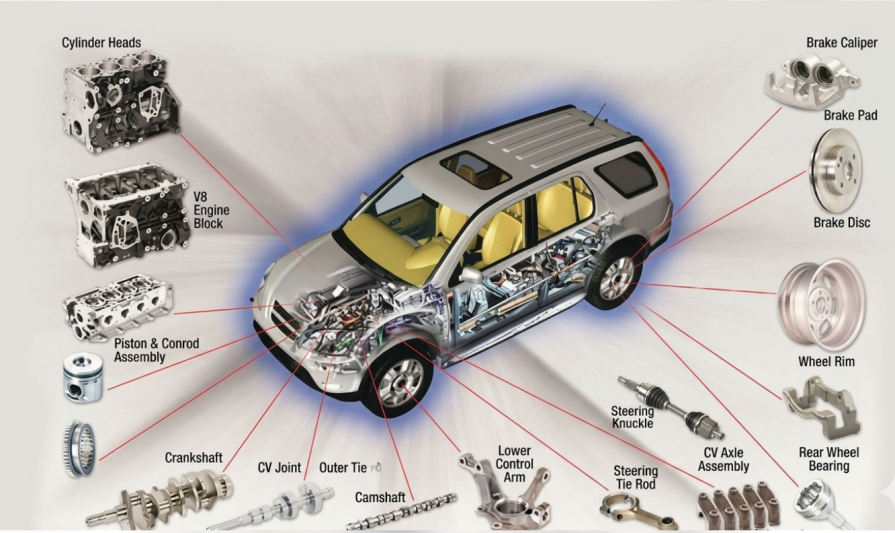
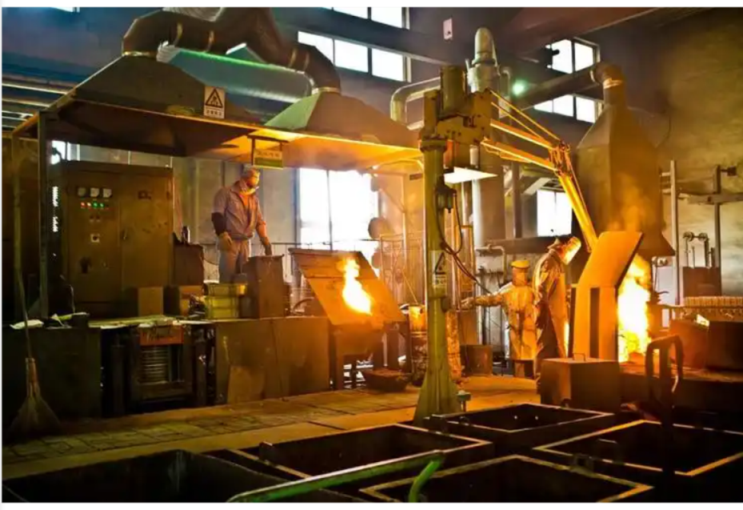
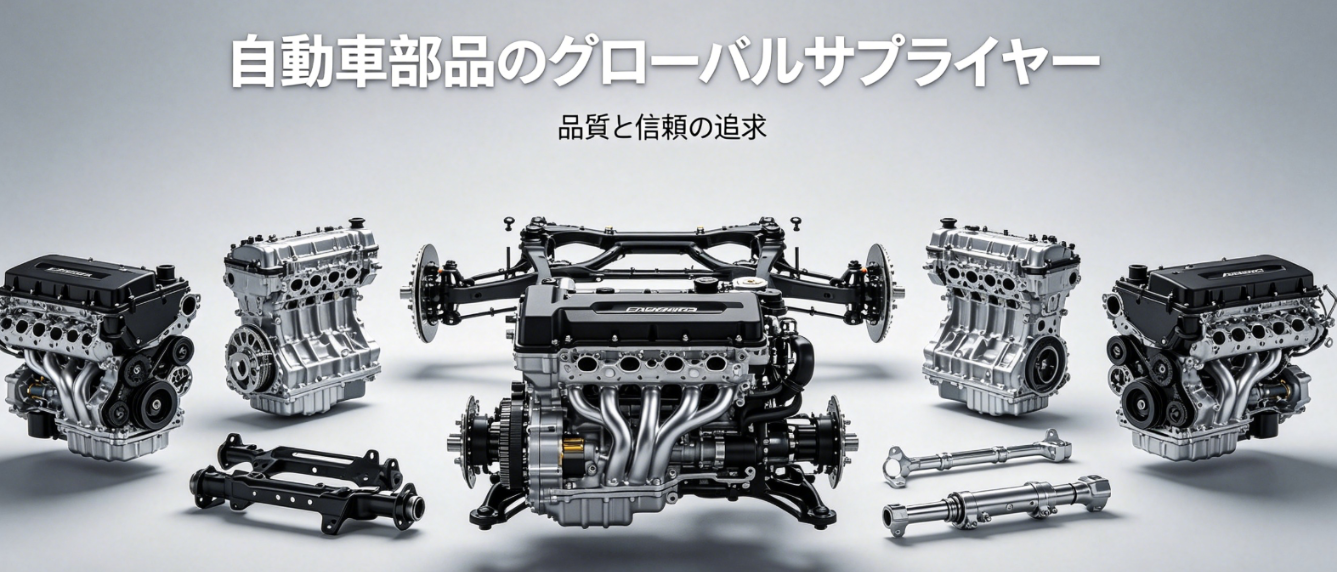
Rich product portfolio: powertrain parts, casting components, oil adapters, fixing brackets and more
Production & inspection system in line with new Japanese quality regulations
Stable supply, short lead time and flexible order lots
Dedicated production line for lightweight precision parts for new energy vehicles
If you are looking for new suppliers, optimizing procurement costs or developing new components under the updated industry rules, welcome to contact us via sinwh.jp.